One moment your garage door is working fine. The next, you hear a grinding noise,…
Why Is My Garage Door So Loud? Causes and Fixes for Albuquerque Homeowners
A garage door that suddenly starts making noise is one of those problems that is easy to ignore at first. The squeaking or rattling starts quietly, and before long it is loud enough to wake the house every time you leave for work.
The good news is that a noisy garage door is one of the most common service issues we see, and in many cases the cause is straightforward. Some fixes are simple enough to handle yourself. Others point to worn components that need professional attention before they cause a more serious failure.
This guide walks through the most common causes of garage door noise, what each sound typically means, and what you can do about it. If you are a homeowner in Albuquerque, Rio Rancho, or the surrounding area, there are also a few local factors worth knowing about.
Schedule a garage door inspection with Garage Doors by Nestor today.
Why Albuquerque Homes Are Especially Prone to Garage Door Noise
Before getting into specific causes, it helps to understand why garage doors in Albuquerque tend to develop noise problems faster than in other parts of the country.
The desert climate creates conditions that are unusually hard on mechanical systems. Intense heat dries out lubrication faster than in cooler or more humid climates, leaving metal components running dry against each other. Fine dust and sand carried by Albuquerque’s frequent winds work their way into tracks, rollers, and hinges, acting as an abrasive that accelerates wear. Large temperature swings between day and night cause metal parts to expand and contract repeatedly, gradually loosening hardware and affecting alignment.
By the time summer arrives in Albuquerque, a garage door that was running quietly in the fall may be noticeably louder. Regular maintenance is the most effective way to stay ahead of it.
For a full look at how the local climate affects garage doors, see our guide on why garage doors fail more often in Albuquerque’s desert climate.
The Most Common Causes of a Noisy Garage Door
1. Lack of Lubrication
This is the most frequent cause of garage door noise, and it is also the easiest to address. Rollers, hinges, springs, and the bearing plates at either end of the torsion bar all require regular lubrication to operate quietly. When that lubrication dries out or gets displaced by dust, metal begins running against metal and the result is squeaking, grinding, or scraping sounds.
In Albuquerque’s heat, lubrication breaks down faster than the manufacturer’s maintenance schedule may suggest. A door that was serviced a year ago may already be running dry.
What to do: Apply a silicone-based or white lithium garage door lubricant to the rollers, hinges, springs, and the torsion bar bearing plates. Avoid WD-40 for this purpose. It displaces moisture well but does not provide the lasting lubrication that garage door components require. Wipe away any excess to prevent dust buildup.
Plan to lubricate your garage door twice a year. Early spring and early fall are ideal timing in Albuquerque, before the heat of summer and the cooler dry months of winter.
2. Worn or Damaged Rollers
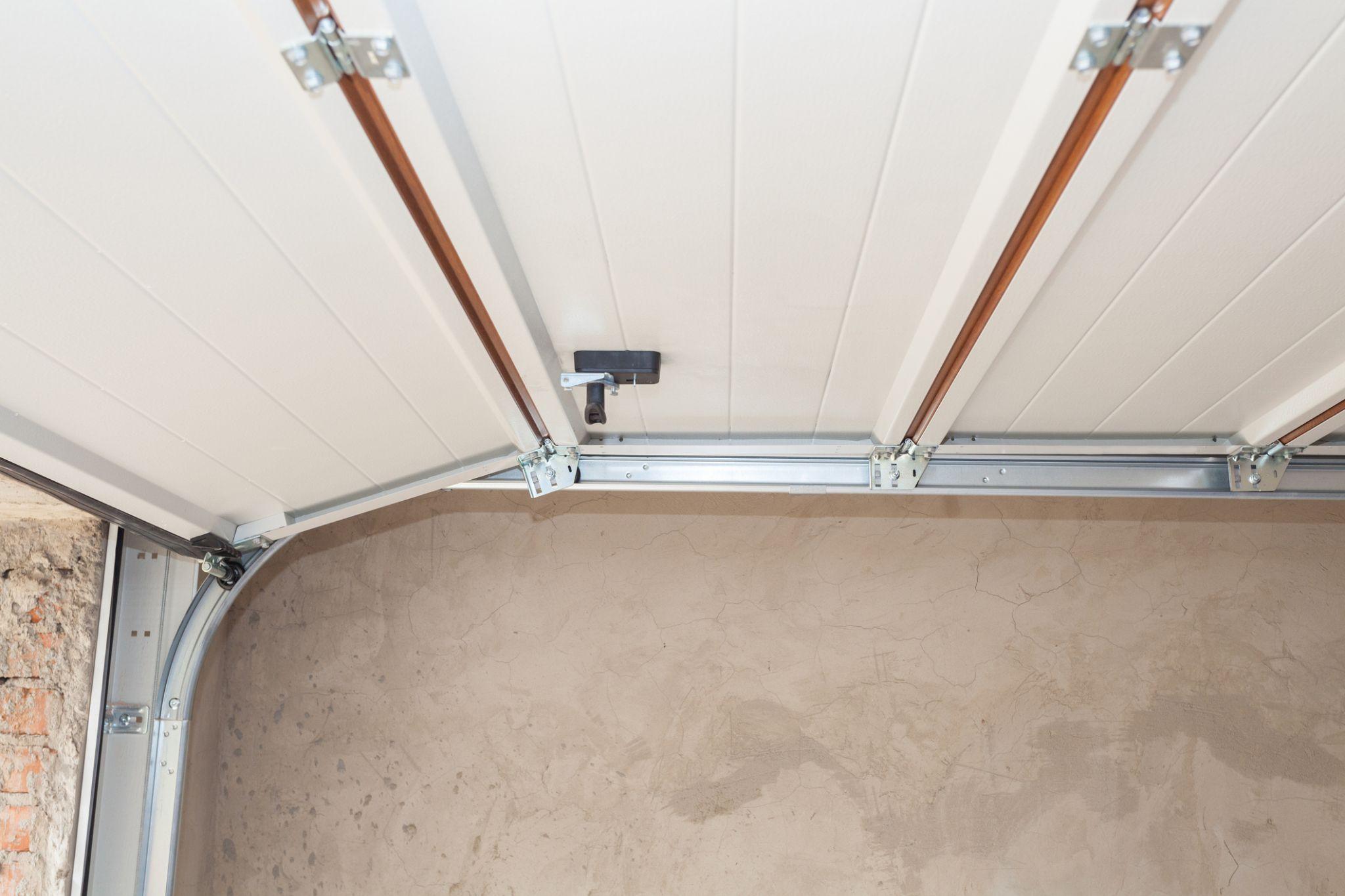
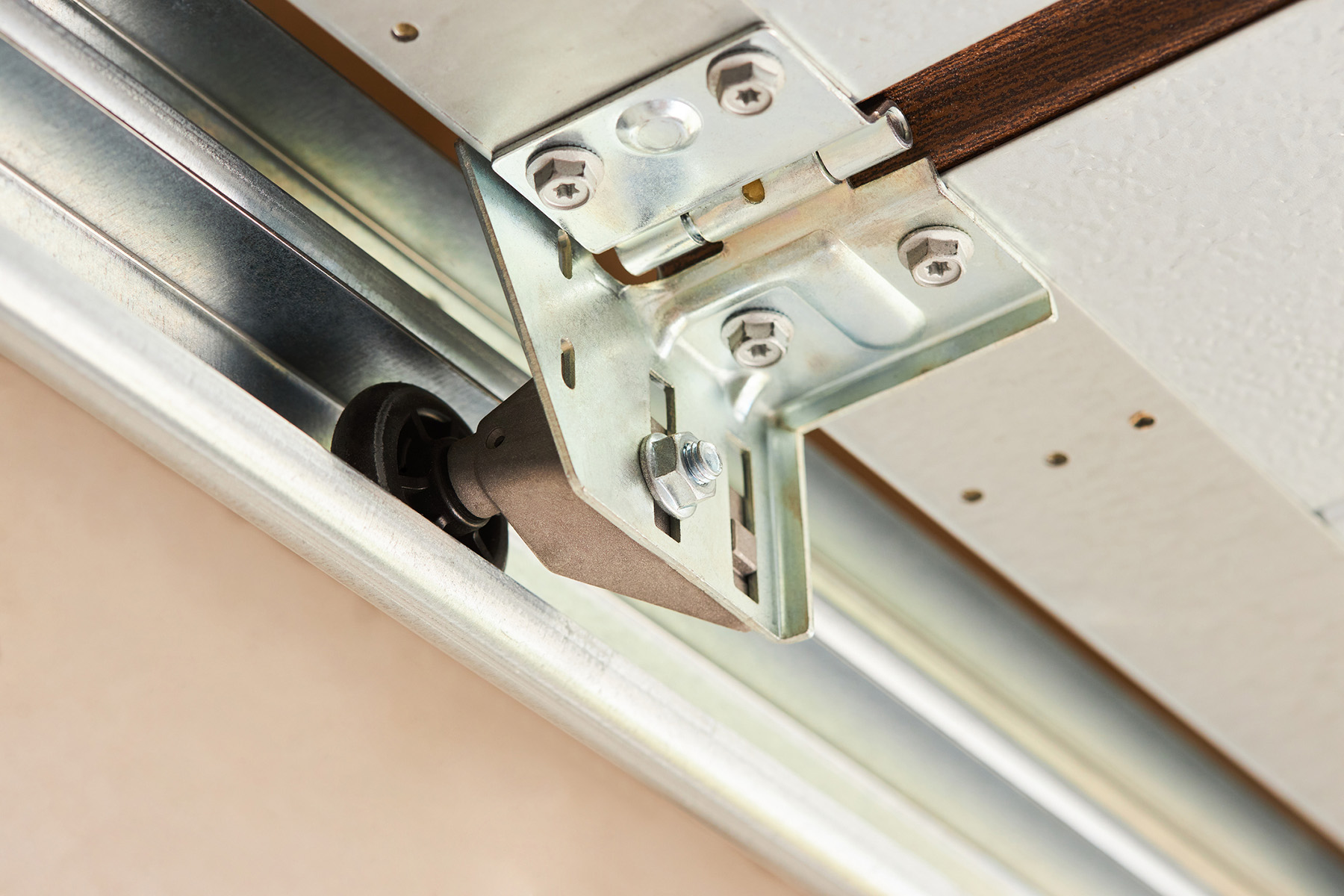
Rollers are the small wheels that run inside the vertical and horizontal tracks, guiding the door through its travel. Most residential garage doors come with nylon or steel rollers. Over time, both types wear out.
Steel rollers without sealed bearings are particularly loud when they begin to wear. They produce a grinding or rattling sound as they move through the track. Nylon rollers are quieter by design but can crack or chip after years of use, especially when exposed to prolonged heat.
What to look for: Listen for a grinding or scraping sound that corresponds with the door’s movement. Visually inspect the rollers for cracking, chips, flat spots, or wobbling during operation.
What to do: Worn rollers should be replaced. Nylon rollers with sealed bearings are the quietest option and hold up well in desert conditions. This is a job most homeowners can handle with basic tools, though a professional can replace all rollers quickly and inspect the rest of the hardware at the same time.
3. Loose Hardware
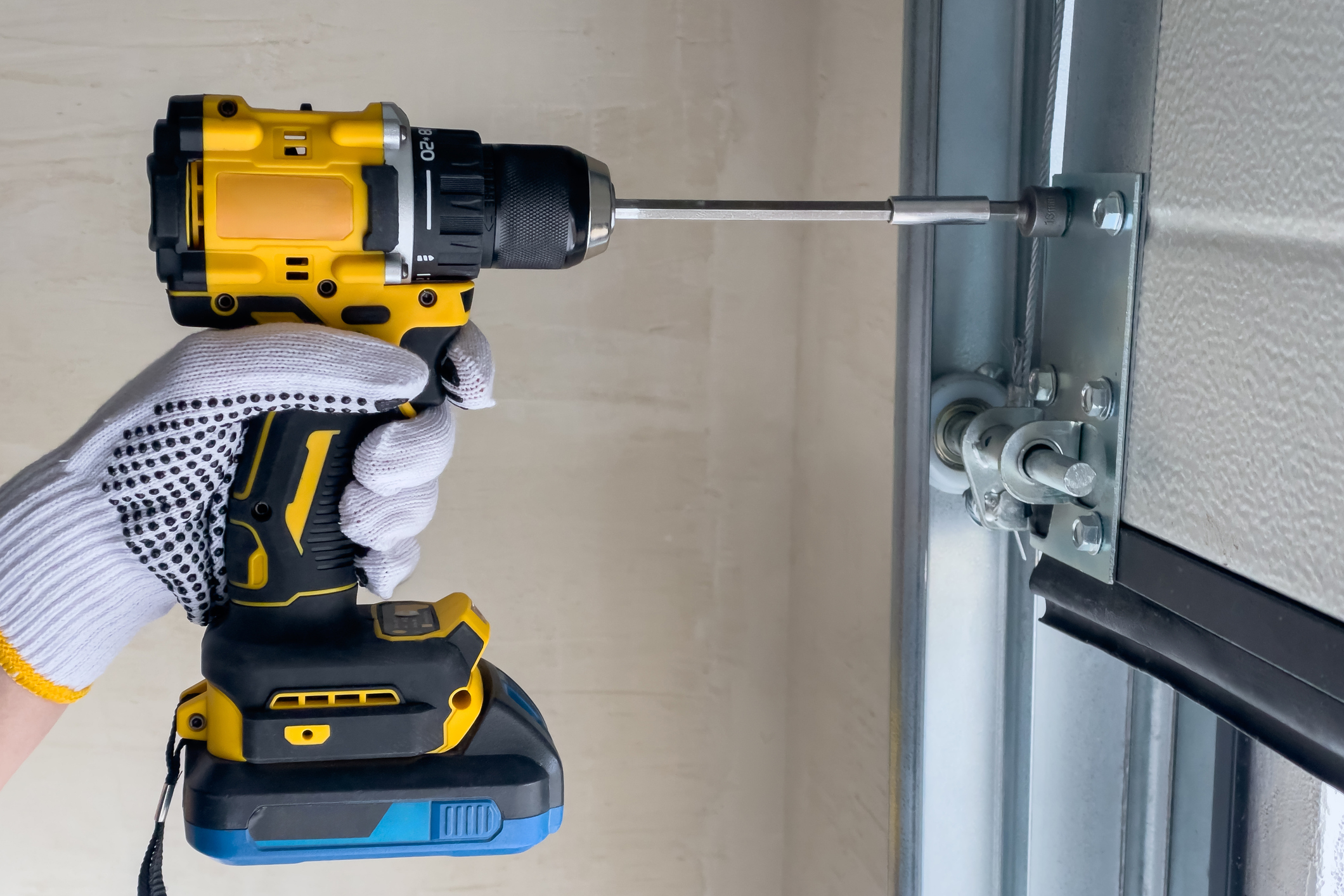
Every time your garage door opens and closes, it sends vibration through the entire system. Over thousands of cycles, that vibration works nuts and bolts loose throughout the door, the tracks, and the opener bracket mounted to the ceiling.
Loose hardware produces a rattling sound that is often difficult to pinpoint because the vibration travels through the structure. The source of the rattle may be several feet from where the sound seems to come from.
What to do: With the door closed, go through the system and tighten all visible nuts and bolts on the track brackets, roller hinges, and the opener mounting hardware. Use a socket wrench and be careful not to overtighten, which can strip the hardware or crack the door panels.
Do not adjust anything on the spring system, cables, or bottom brackets. Those components are under tension and should only be handled by a professional.
4. Worn or Dry Hinges
The hinges that connect each panel of your garage door flex with every cycle. Like rollers, they require lubrication to operate quietly. When they run dry or begin to wear, they produce a squeaking or creaking sound that is especially noticeable in the morning when temperatures are cooler.
Steel hinges that have developed rust are a related issue. Surface rust from dust and occasional moisture exposure is common in Albuquerque homes, particularly in areas like the North Valley, Corrales, or neighborhoods near irrigation systems.
What to do: Lubricate the hinge pivot points as part of your regular maintenance routine. Hinges showing heavy rust or visible wear should be replaced. A professional inspection can identify hinges that are close to failing before they cause a panel to drop or bind.
5. Garage Door Spring Issues
Torsion and extension springs are under constant tension, and they produce sound as they wear. A spring that is beginning to fatigue may produce a popping, squeaking, or creaking sound during operation. A spring that has broken entirely will produce a loud bang and the door will likely stop functioning normally.
Springs also lose lubrication over time, which increases friction and noise. In Albuquerque’s heat, this happens faster than most homeowners expect.
What to do: Lubricate the torsion spring coils as part of your regular maintenance. If the noise from the spring area is new or getting worse, or if you notice the door feeling heavier than usual or moving unevenly, contact a professional. Spring replacement is not a DIY job. The tension stored in garage door springs can cause serious injury if released incorrectly.
Our team handles spring repairs and replacements throughout Albuquerque and can inspect your system to determine whether the springs are the source of the problem. Contact us to schedule service.
6. Misaligned or Dirty Tracks
The tracks guide your door from the ground to the ceiling and back. If a track becomes bent, misaligned, or packed with dust and debris, the door will rub or scrape against it during operation. The sound is typically a grinding or scraping that is consistent throughout the door’s travel.
Albuquerque’s wind-driven dust is a significant contributor here. Fine particles settle into the track channel and combine with dried lubricant to form a gritty residue that the rollers have to push through with every cycle.
What to do: Wipe the inside of the tracks clean with a damp cloth. Do not lubricate the tracks themselves. Tracks are meant to be clean and dry so the rollers grip them properly. Lubrication on the track surface actually attracts more dust and creates a worse problem.
If the tracks appear bent, warped, or noticeably out of alignment, do not attempt to bend them back yourself. Improper track adjustment can make the problem worse and create a safety risk. A technician can realign or replace tracks safely.
7. Garage Door Opener Noise
Sometimes the noise is not coming from the door itself but from the opener unit mounted on the ceiling. Chain-drive openers are the most common source of opener noise. The metal chain that drives the trolley produces a rattling sound that amplifies through the ceiling and into the house above the garage.
Belt-drive and screw-drive openers are significantly quieter. If your opener is a chain-drive unit and the noise is bothering you or your household, upgrading to a belt-drive model is one of the most effective improvements you can make.
Opener noise can also result from a loose chain or drive belt that needs adjustment, a worn gear and sprocket assembly, or vibration from the mounting hardware transferring to the ceiling.
What to do: Check that the opener chain or belt is properly tensioned according to the manufacturer’s guidelines. If the opener is producing grinding sounds or struggling during operation, it may need internal repairs or replacement.
You can explore quieter opener options on our garage door openers page. Our team can help you find a model that fits your door and your budget.
8. Popping Sounds From the Panels
A popping or cracking sound that occurs as the door bends through the curved section of the track is often coming from the panels themselves, not the hardware. This happens when the door sections flex through the curve and the panel material or the hinges bind slightly during that transition.
It can also indicate that the panels are beginning to warp. In Albuquerque, prolonged sun and heat exposure can cause steel panels to expand unevenly, and wood or composite panels to warp over time.
What to do: Lubricate all hinges, particularly those in the mid-panel sections that flex the most. If the popping persists, have a technician inspect the panel condition and the hinge alignment. Warped panels that are affecting door operation may point toward a replacement conversation.
A Quick Reference: Garage Door Sounds and What They Mean
| Sound | Likely Cause |
|---|---|
| Squeaking | Dry rollers, hinges, or springs needing lubrication |
| Grinding | Worn rollers, dirty tracks, or metal-on-metal contact |
| Rattling | Loose hardware, loose opener chain, or loose track brackets |
| Popping | Worn springs, panel flex through the curve, or dry hinges |
| Banging | Broken spring or loose panel section |
| Scraping | Misaligned track or damaged roller |

When to Call a Professional
Many noise issues can be reduced or eliminated with lubrication and basic hardware tightening. However, some causes of garage door noise involve components that require professional service.
You should call a professional if:
- The noise started suddenly, especially a loud bang or crack
- The door feels heavier than normal or moves unevenly
- You can see a gap in the torsion spring coils above the door
- The door reverses, stops mid-travel, or will not open fully
- The tracks appear bent or visibly out of alignment
- Lubrication and tightening did not resolve the noise
Attempting repairs on springs, cables, or bottom brackets without the right training and tools is dangerous. These components are under significant tension and can cause serious injury if handled incorrectly.
For a broader look at what causes garage door problems in this region, see our article on common garage door repairs in Albuquerque.
Quiet Your Garage Door for Good
A noisy garage door is more than an inconvenience. It is usually a sign that components are wearing down and working harder than they should. Addressing the problem early keeps repair costs lower and extends the life of the entire system.
The team at Garage Doors by Nestor has been diagnosing and repairing garage doors throughout Albuquerque for more than 30 years. Whether you need a quick tune-up, a roller replacement, or a full system inspection, we can identify the source of the noise and fix it correctly the first time.
We serve homeowners throughout Albuquerque, Rio Rancho, the North Valley, Sandia Heights, West Mesa, Bernalillo, and the surrounding communities.
Request an estimate online or contact our team to schedule service. A quieter garage door is one call away.

Related Posts